Coming June 1, 2026 • Available to Preorder
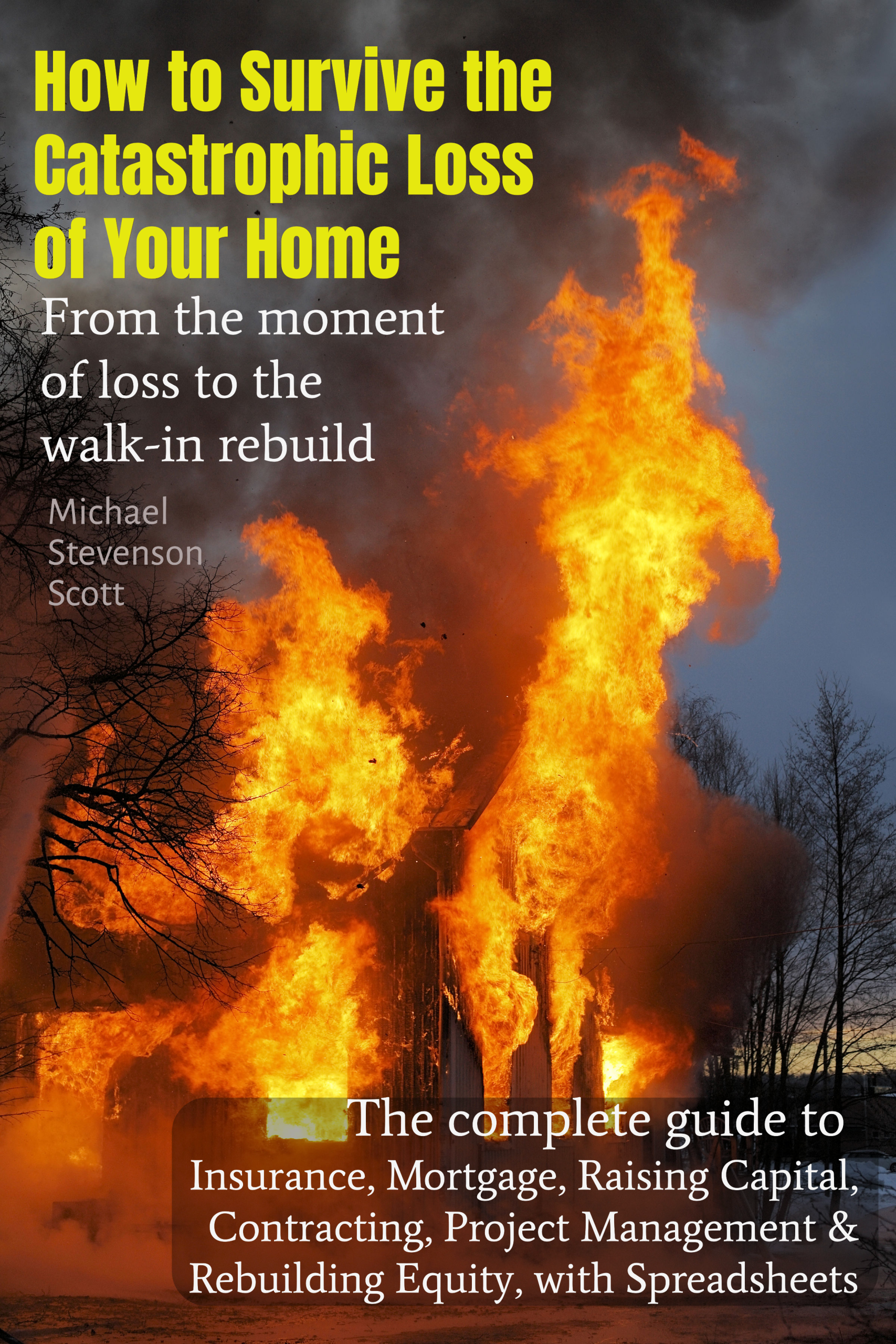
Why you need “How to Survive the Catastrophic Loss of Your Home” – Before You Have a Loss!
- Losing a home to fire, flood, or storm is more than a disaster—it’s a financial, legal, and emotional shock that demands fast, informed decisions. The 78Hour Home Loss Action Plan gives homeowners a clear, step-by-step path through the most critical window after destruction, when insurance companies, mortgage servicers, contractors, and government agencies all expect you to act—whether you’re ready or not.
- This guide breaks down exactly what to do in the first 78 hours so you don’t lose money, miss deadlines, or make decisions you can’t undo. You’ll learn how to document damage the way adjusters require, file insurance claims that actually get paid, and unlock tax recovery options most homeowners never hear about. You’ll also understand how mortgage companies handle damaged properties, what “loss of use” really covers, and how to avoid the contractor traps that drain time and cash during rebuilding.
- Every chapter is practical, direct, and built for real-world use—whether your home is a total loss or partially damaged. You’ll get checklists, scripts, timelines, and decision frameworks that help you stay organized when everything around you feels unstable. Most importantly, you’ll learn how to evaluate the biggest question homeowners face after a disaster: Should you rebuild, or walk away?
- If you’re standing in the aftermath of a fire, flood, or storm—or preparing for the possibility—this book gives you the financial clarity and procedural confidence you need. It’s not about fear. It’s about control, stability, and making the smartest possible decisions when the stakes are highest.
- If you want, I can now shape the bullet section that follows this opening—usually 5–7 bullets that highlight the book’s most valuable outcomes and boost skim-read conversion.